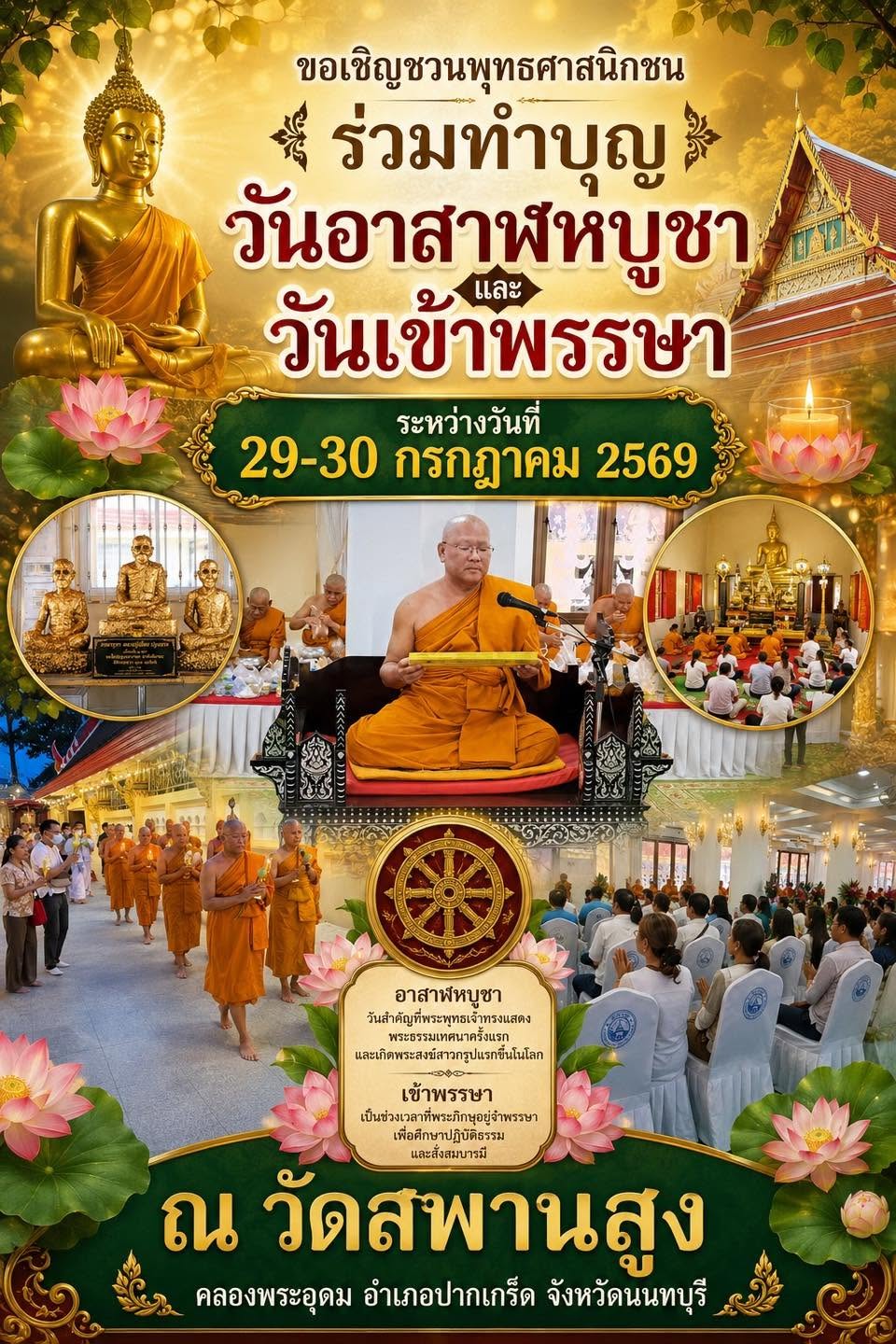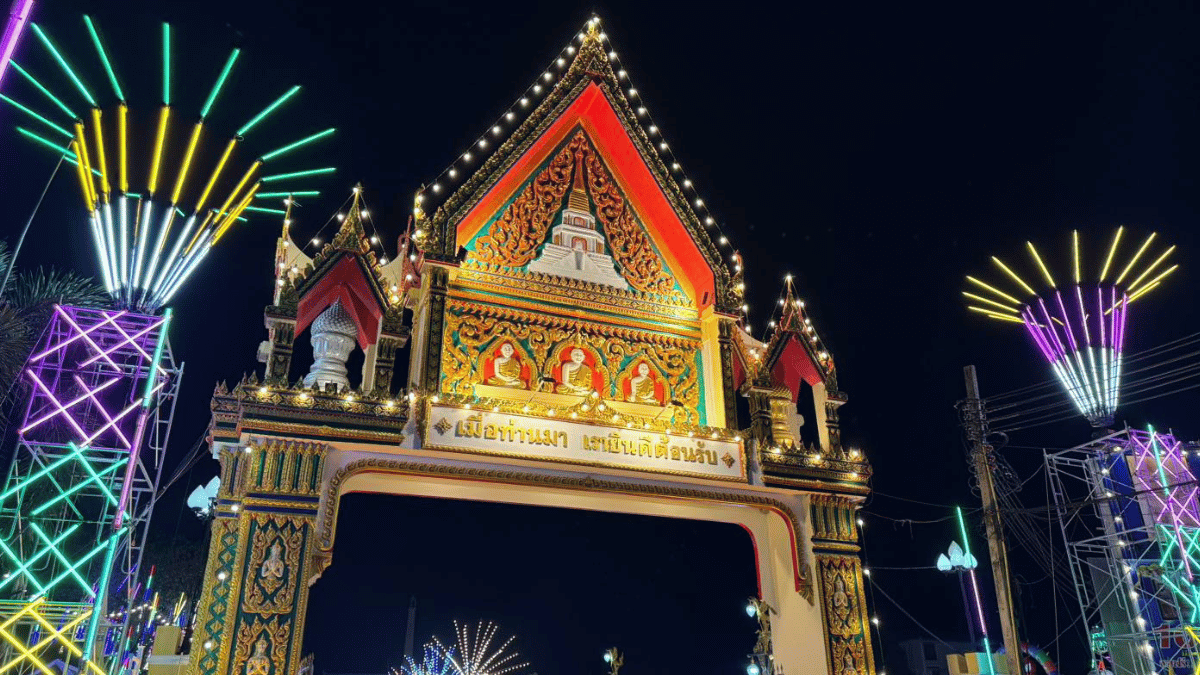

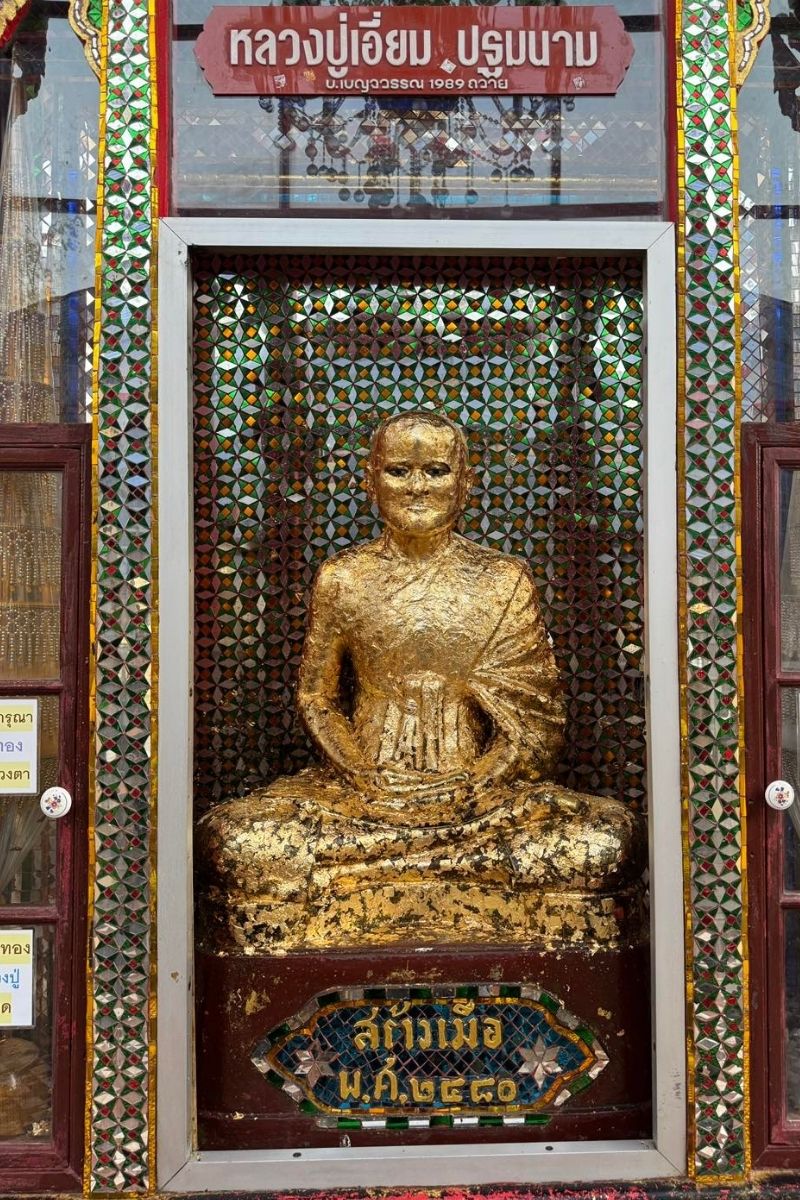
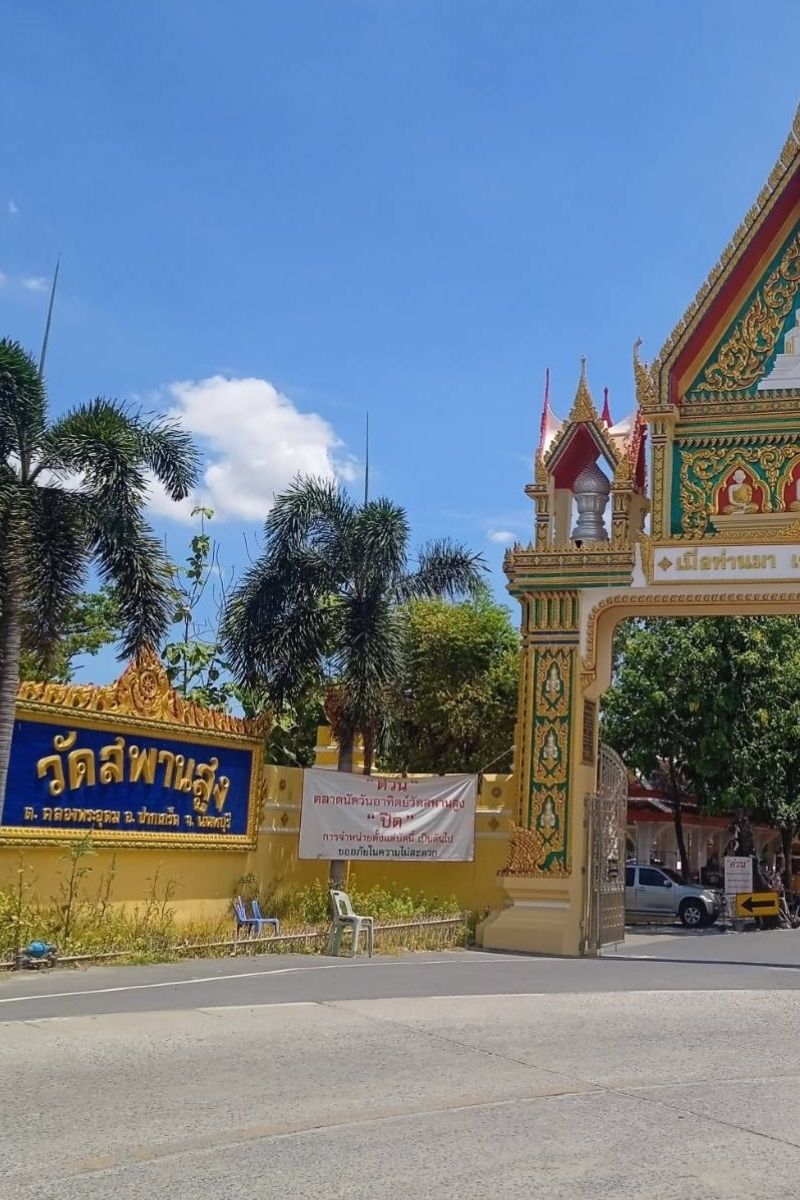
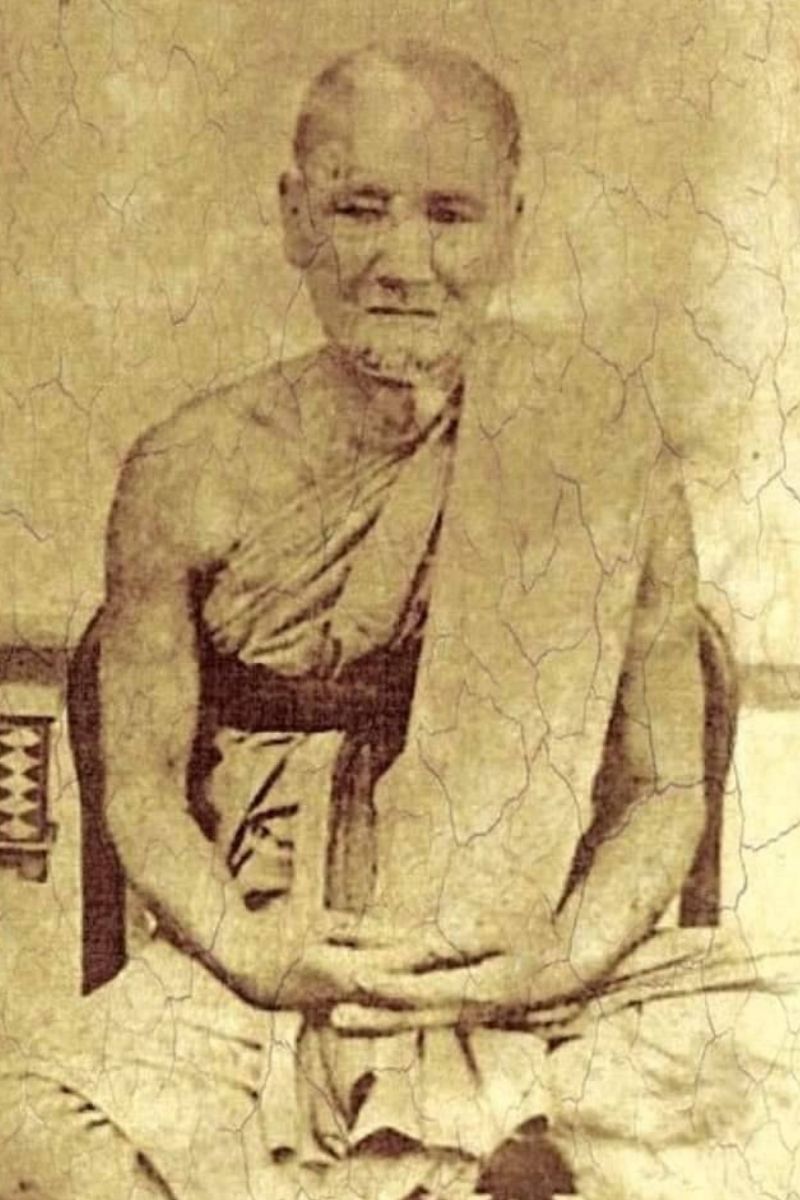
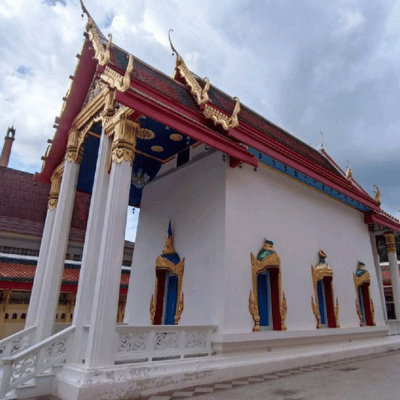
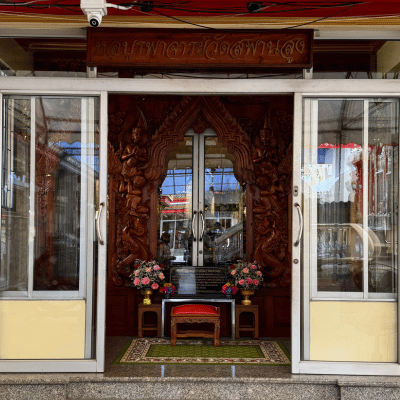
Wat Saphan Sung, formerly known as "Wat Sawang Arom," is located to the east in Khlong Phra Udom. It was originally under Ban Laem Yai Subdistrict, now renamed Khlong Phra Udom Subdistrict, Pak Kret District, Nonthaburi Province. The origin of the name "Wat Saphan Sung" comes from the fact that in the past, large rice transport boats frequently passed through Khlong Phra Udom. Therefore, the temple needed to build a high wooden bridge across the canal in front of the temple. This wooden bridge was taller than others in the area, so local people commonly called it "Wat Saphan Sung" (Temple of the High Bridge). It is said that in 1914 (B.E. 2457), His Royal Highness Prince Vajirananavarorasa, the Supreme Patriarch, visited the temple during his inspection of the Ayutthaya monastic region. After seeing the tall bridge across the canal, he remarked on the temple having two names. To make it appropriate, he granted the official name "Wat Saphan Sung" as the sole name, using the traditional spelling that has been maintained ever since. Before Luang Pu Iam became abbot, four abbots had successively administered the temple, but their names were not recorded. Some disrobed or passed away, and there were usually only 2–3 monks residing at the temple. At that time, there were two monk quarters, each with three rooms, one three-room sermon hall, a round pond behind the quarters, one three-room earthen pavilion, a large Bodhi tree about three men’s arms in circumference, and beside it, the high wooden bridge across the canal. There were also two Takian trees, but no ordination hall, vihara, or preaching hall. In 1853 (B.E. 2396), Luang Pu Iam Pathomanam returned to reside at the temple. Seeing the difficulty of performing monastic ceremonies without an ordination hall, he discussed the matter with Luang Phibun Sombat, a devout lay supporter from Bang Lamphu, who helped raise funds among the faithful to construct a brick-and-mortar ordination hall. The construction took ten months and was completed in 1854 (B.E. 2397). Afterward, a vihara was built in similar fashion. Around 1877 (B.E. 2420), the earthen pavilion had deteriorated and was demolished. Mr. Kaew and Mrs. Rai Kaewsonthi, devout locals from Ban Laem Yai, sponsored the building of a new pavilion and donated about 10 rai of land to the temple. In 1888 (B.E. 2431), under the guidance of Luang Pu Iam, a three-tiered brick-and-mortar chedi with a height of over 11 wa was built. Before its completion, Luang Pu Iam passed away in 1896 (B.E. 2439). His disciple, Luang Pu Klin, along with other faithful devotees, continued the construction until completion, spending 6,000 baht in total.
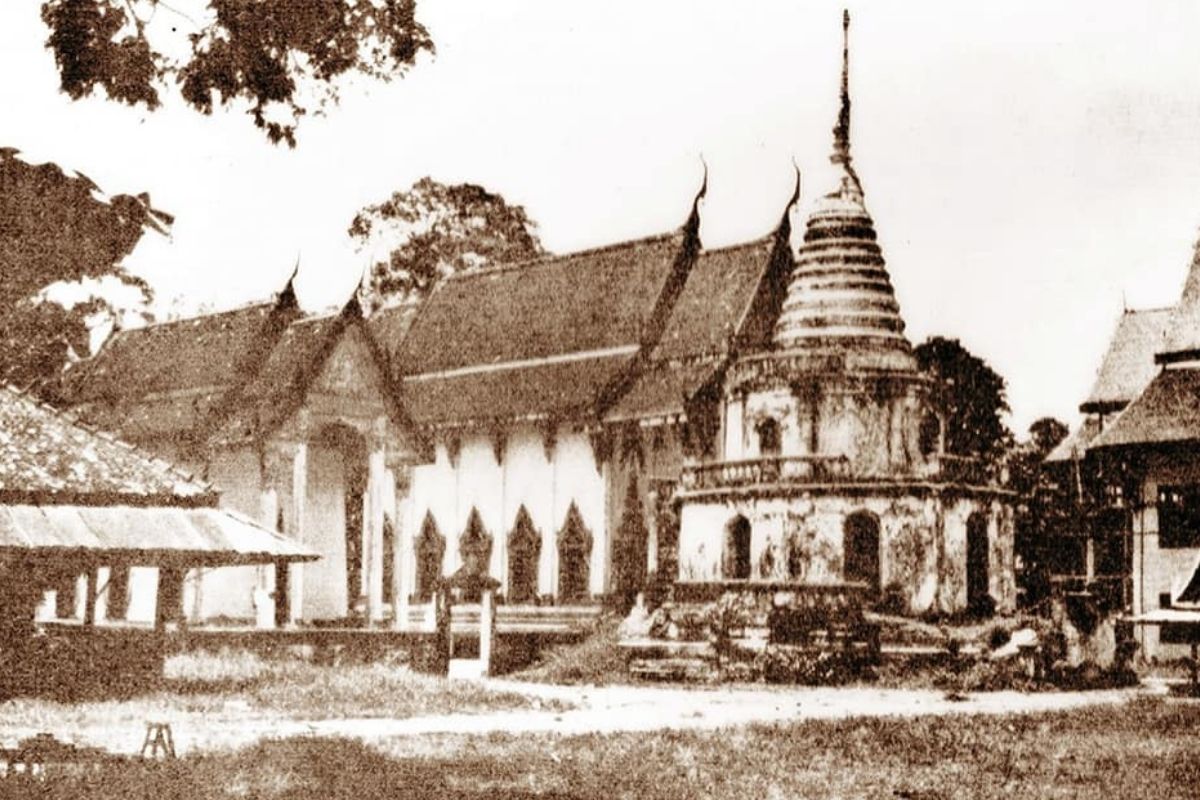
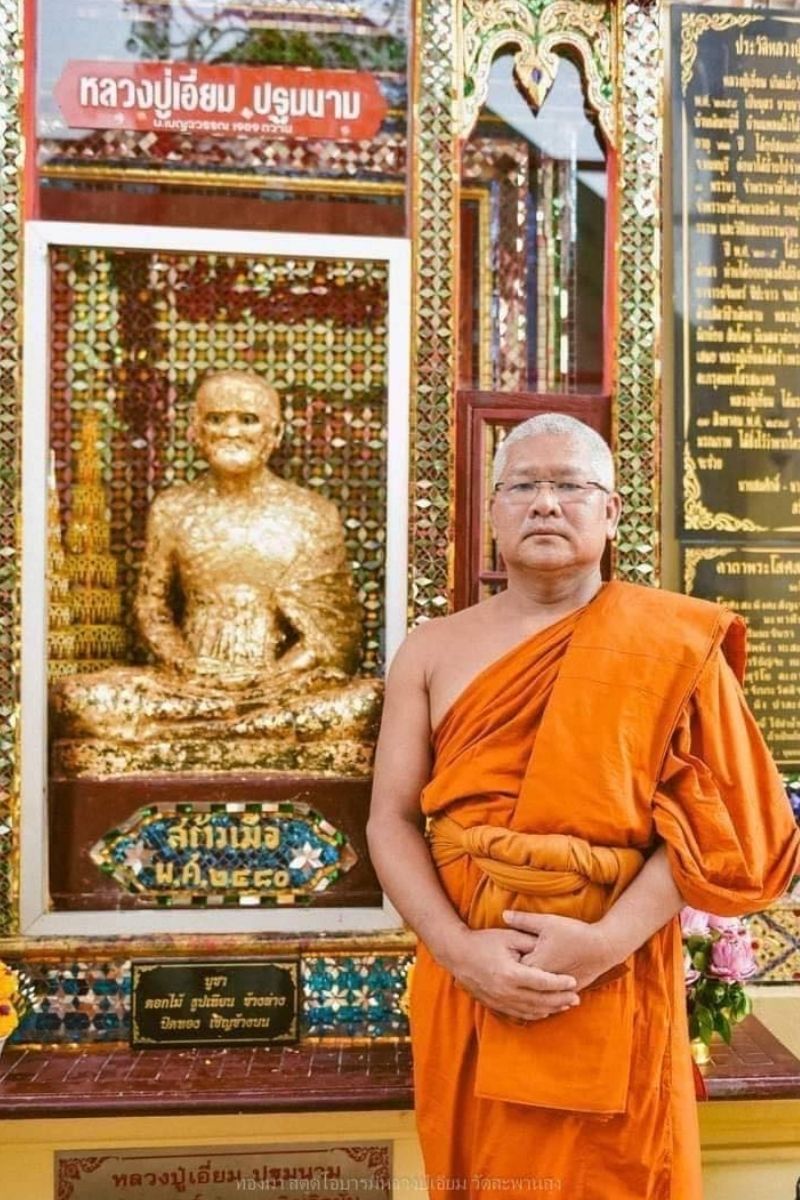
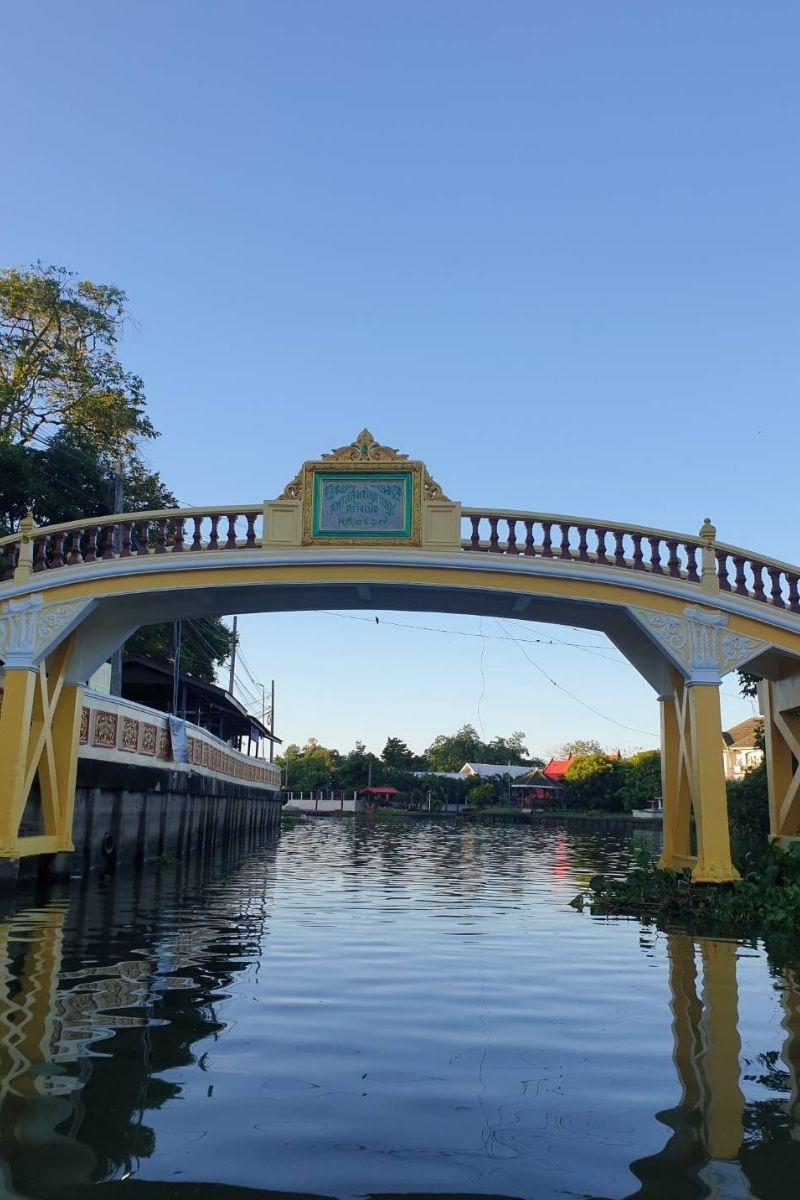
During the abbacy of Luang Pu Klin, Wat Saphan Sung was greatly renovated and prospered. In 1899 (B.E. 2442), the over-40-year-old ordination hall was restored, and a decorative wall was built surrounding the ordination hall, vihara, and main chedi. Subsequently, a scripture hall, sermon hall, bell tower, and riverside pavilion were constructed, and the monks’ quarters were gradually improved. In 1924 (B.E. 2467), a new arched concrete bridge named “Saphan Sung Charoen Rat” was built in front of the temple. Later, in 1927 (B.E. 2470), the old ordination hall from Luang Pu Iam’s era, which had become dilapidated, was demolished and replaced with a modern concrete structure that remains today. In 1929 (B.E. 2472), parts of the vihara were also rebuilt using reinforced concrete. Through the dedication of the monks and the faithful community, Wat Saphan Sung continued to flourish. In recognition of this, the Ministry of Education presented the temple with a royal statue of King Rama VIII, which was enshrined at the temple on May 19, 1937 (B.E. 2480), in honor of their meritorious contributions and joint efforts in developing the temple.
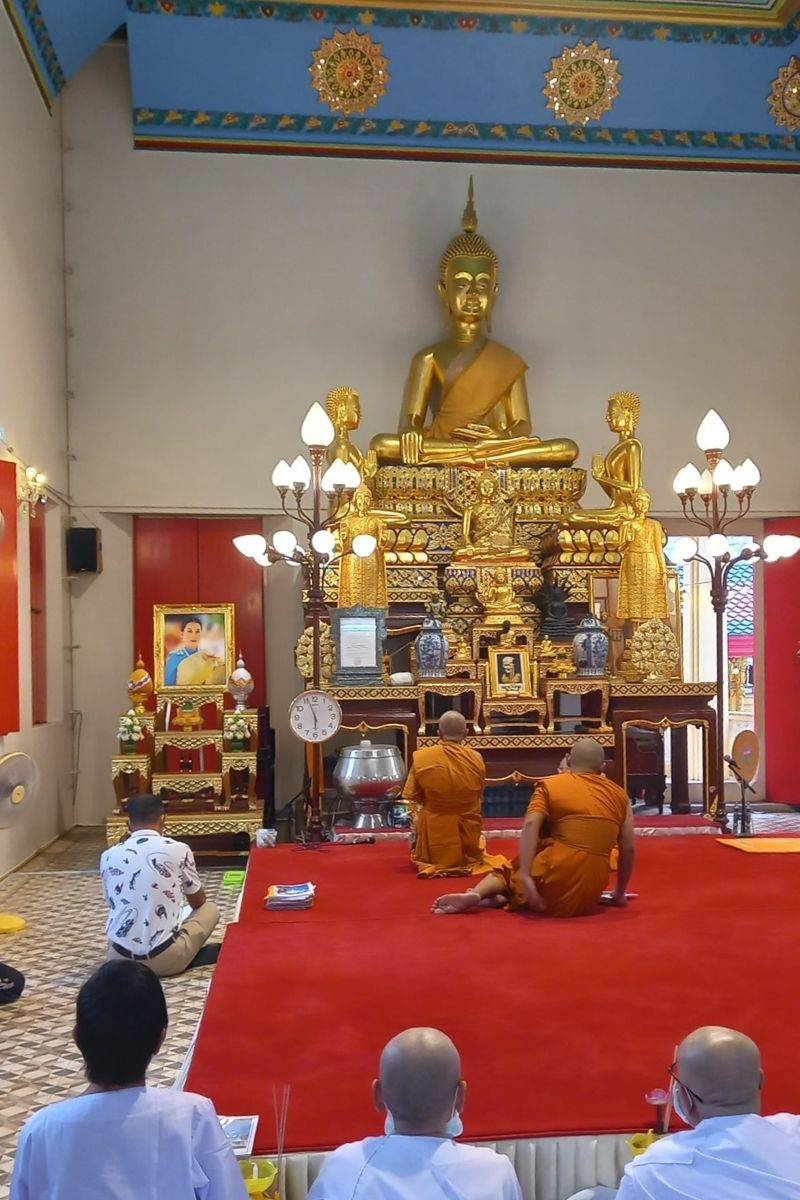
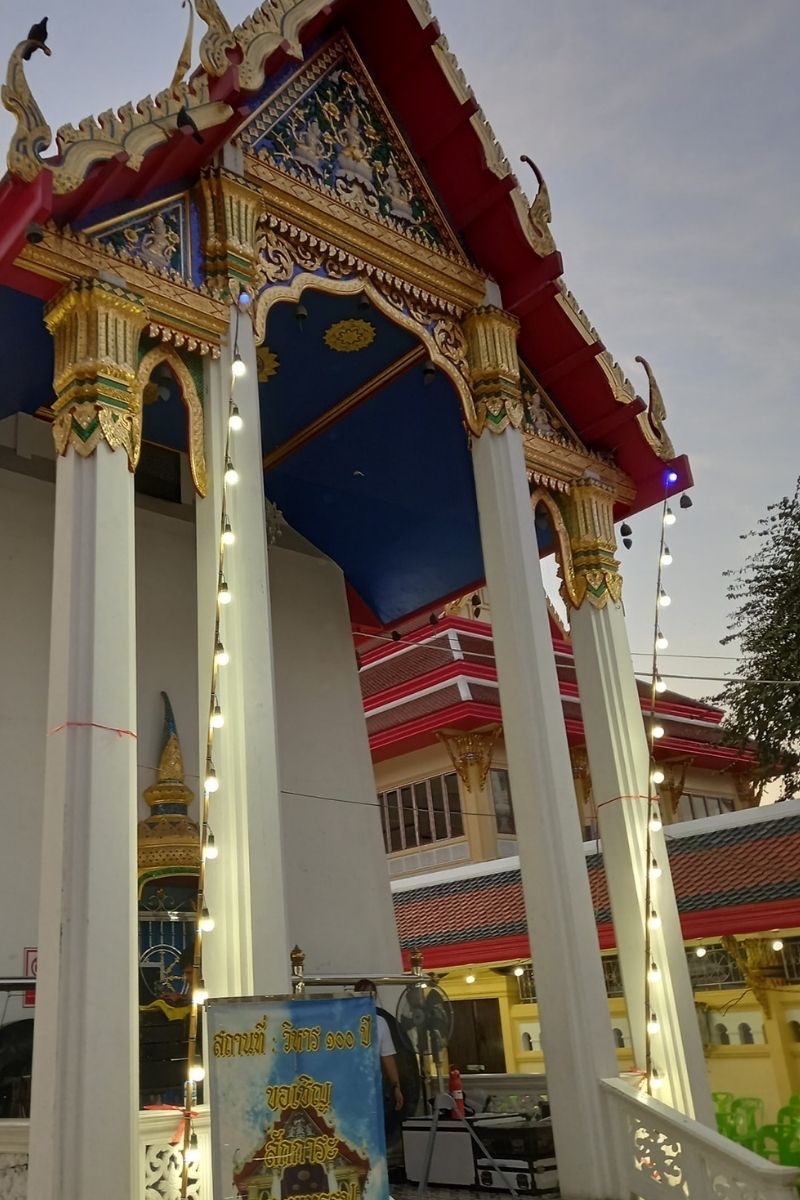
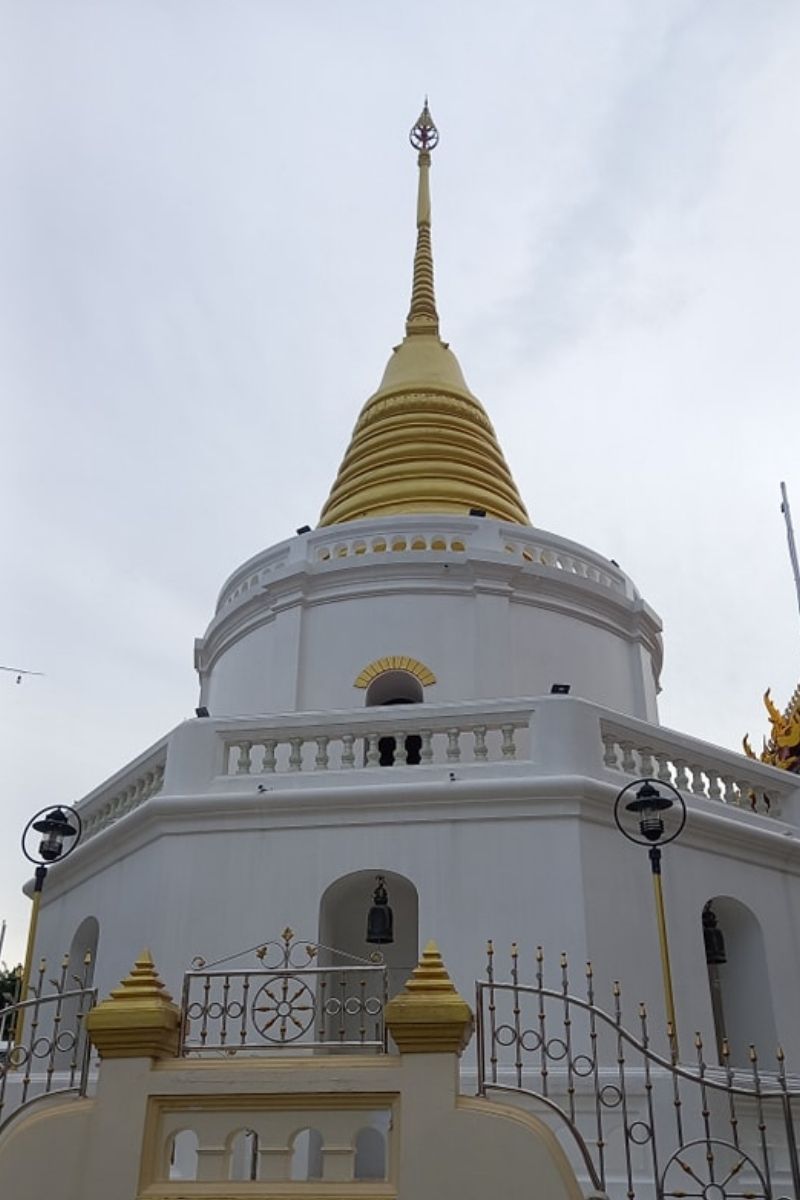
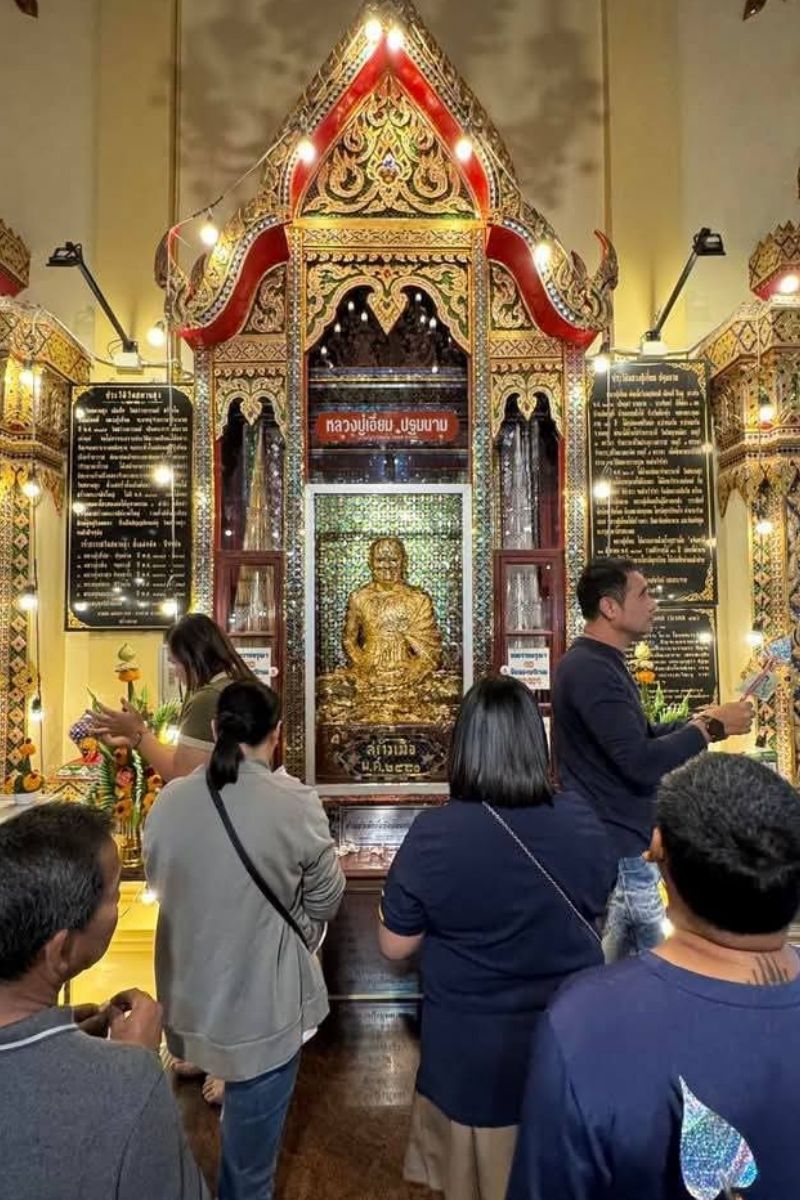
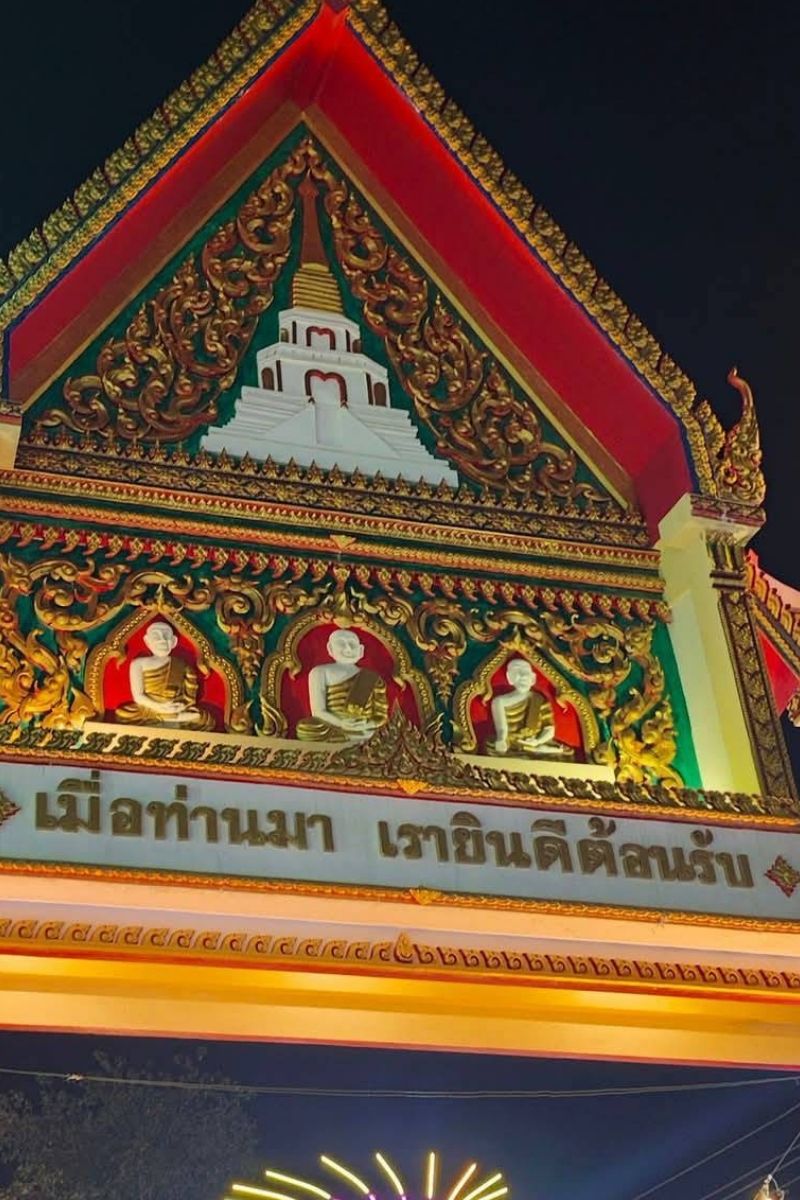
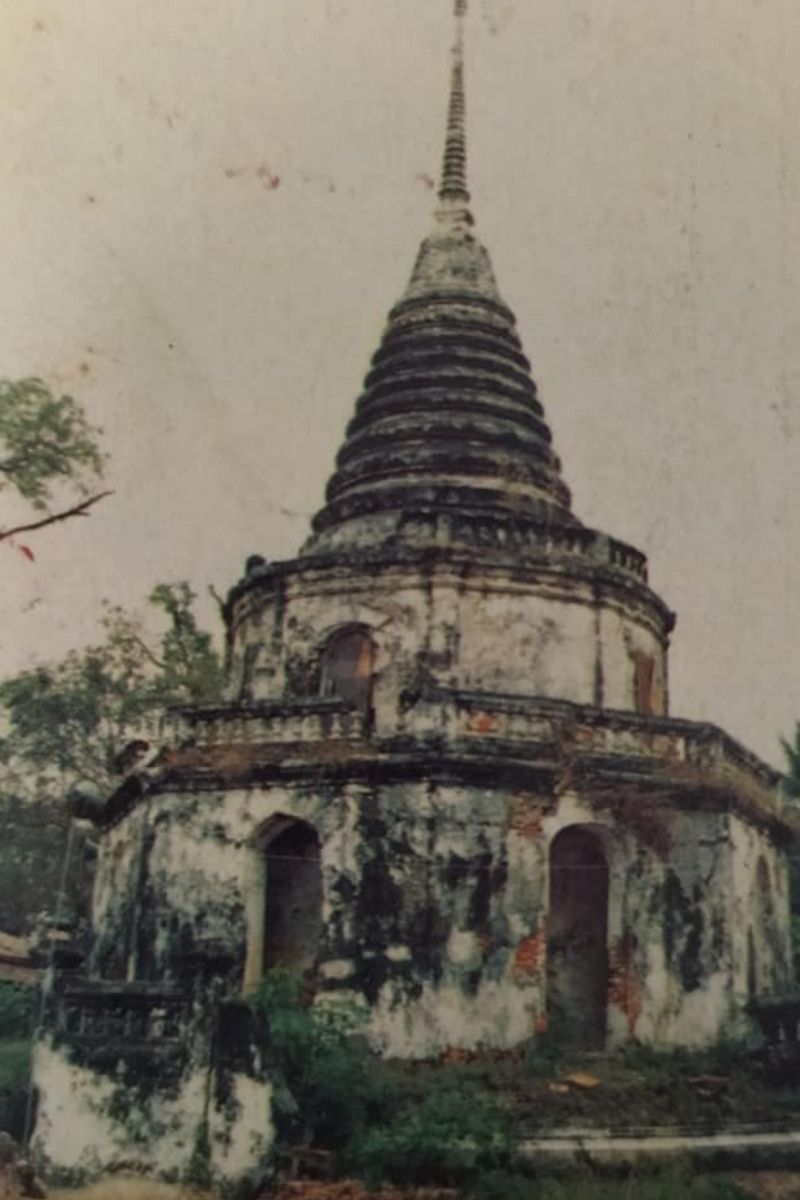
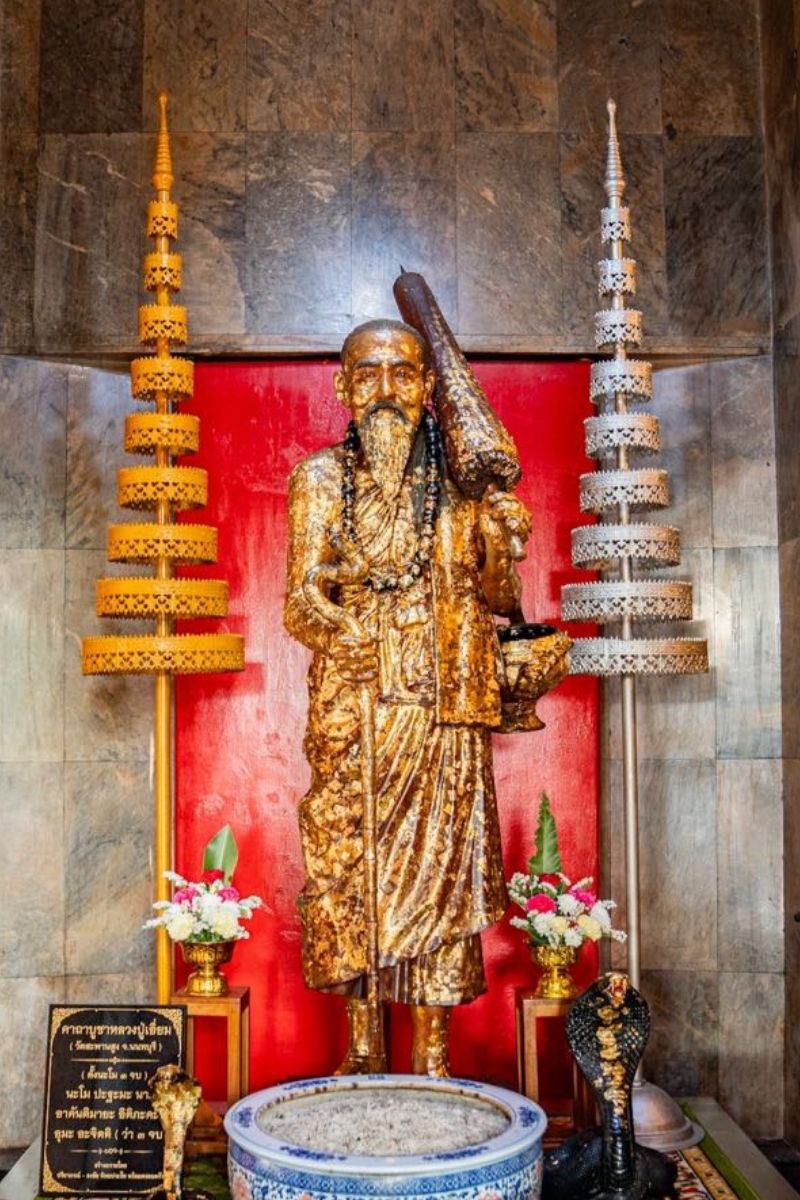
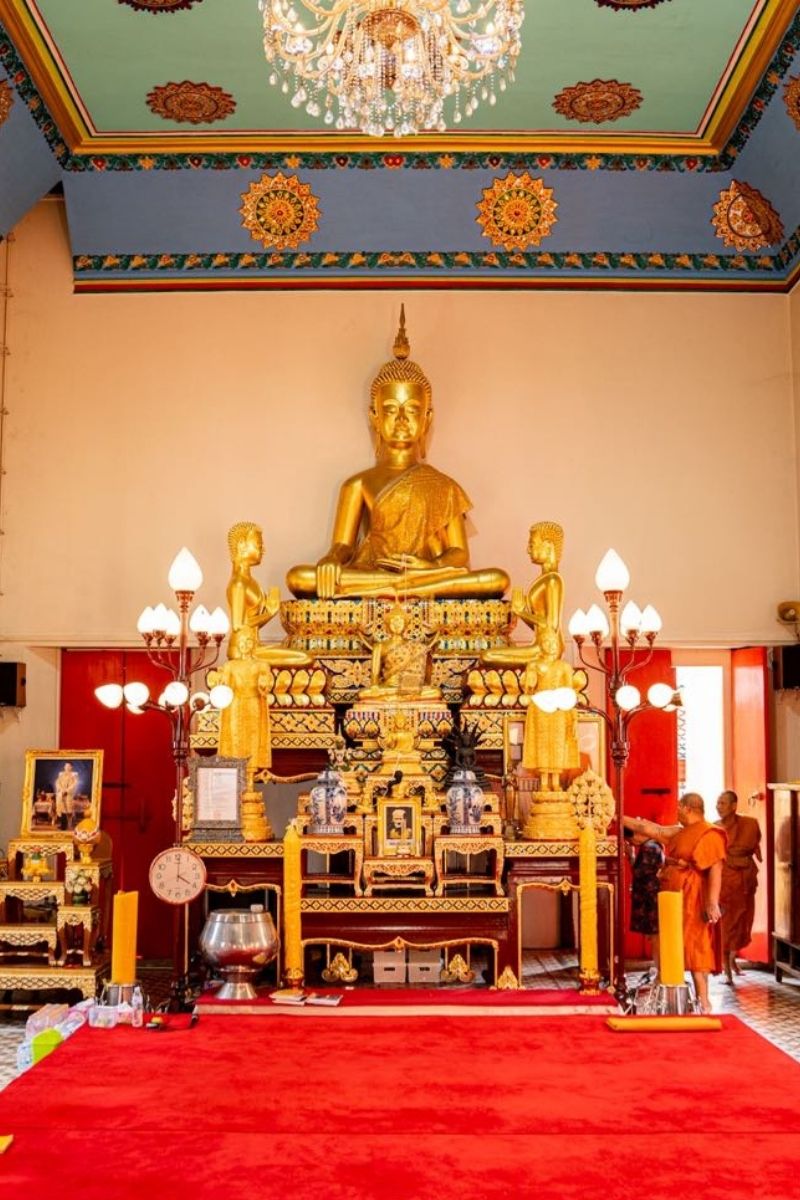
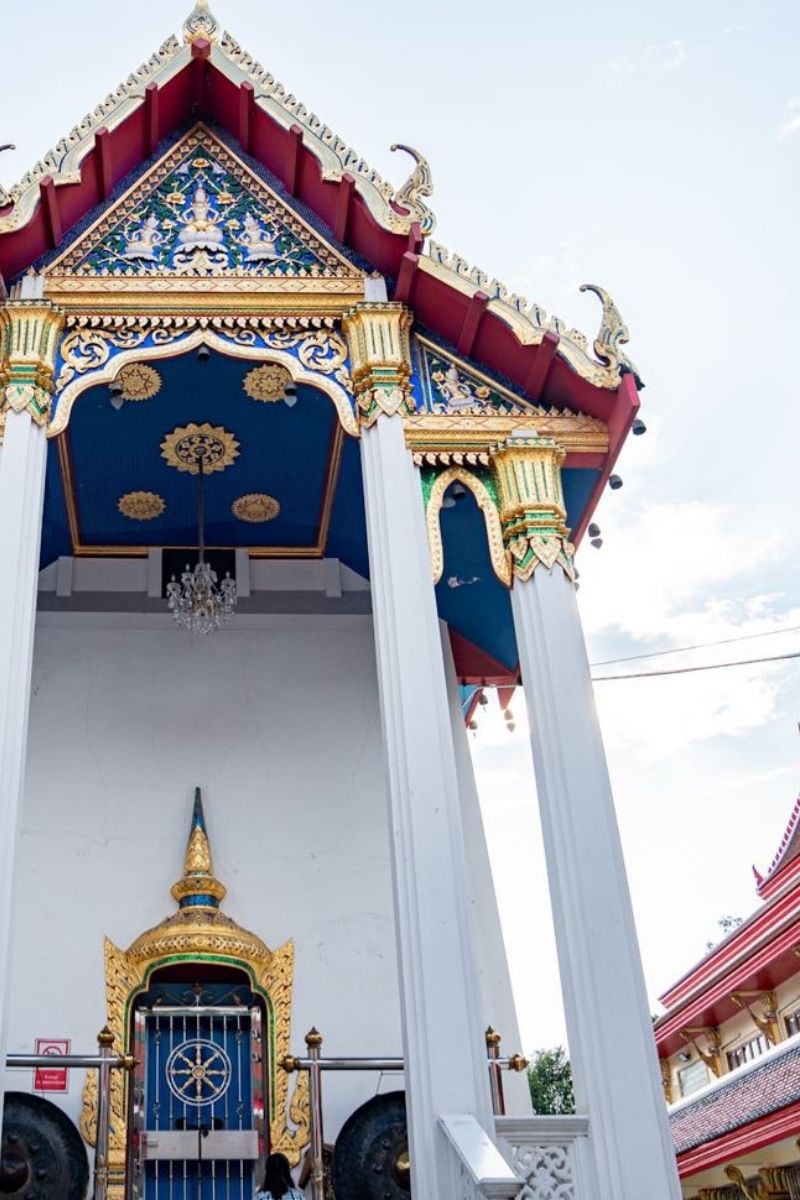
Wat Saphan Sung continued to prosper for a long time, serving as both a meditation and Dhamma study center. In later years, it also became a place for traditional Thai herbal medicine treatment and a sanctuary for the local community. Today, Wat Saphan Sung remains a steadfast and complete sanctuary of Buddhism.
The name “Wat Saphan Sung,” meaning “High Bridge Temple,” originates from a tall wooden arched bridge that once spanned Khlong Phra Udom — a vital waterway for local transport before roads were developed.
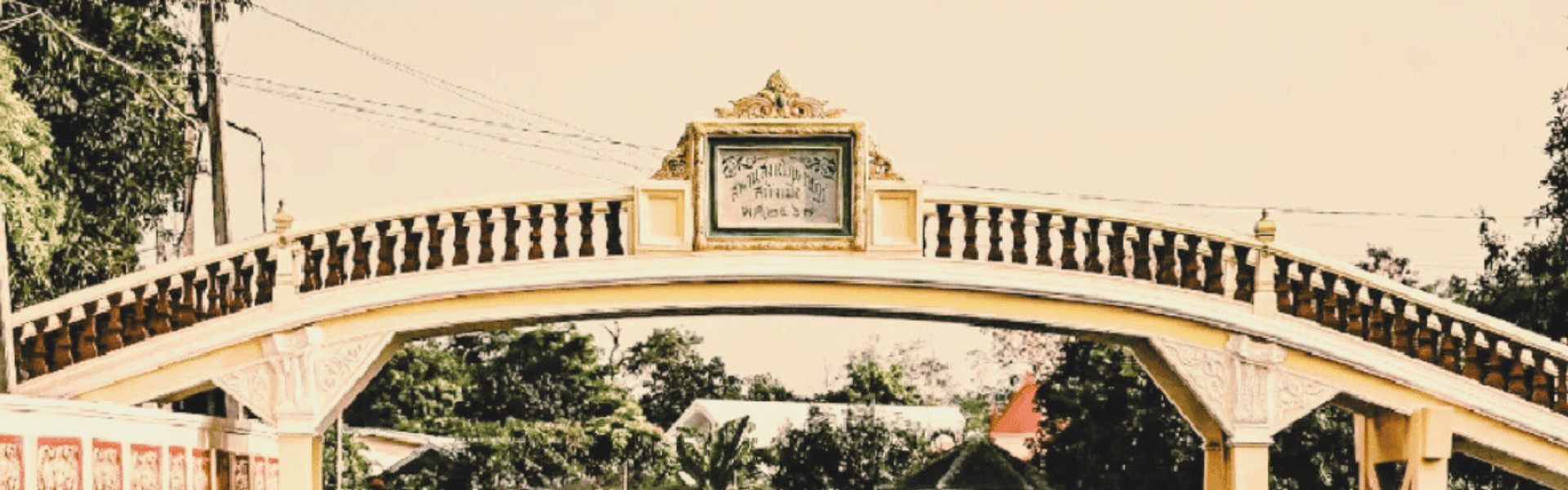
The high-arched bridge became a distinctive landmark visible from afar, symbolizing the community’s identity and ingenuity.
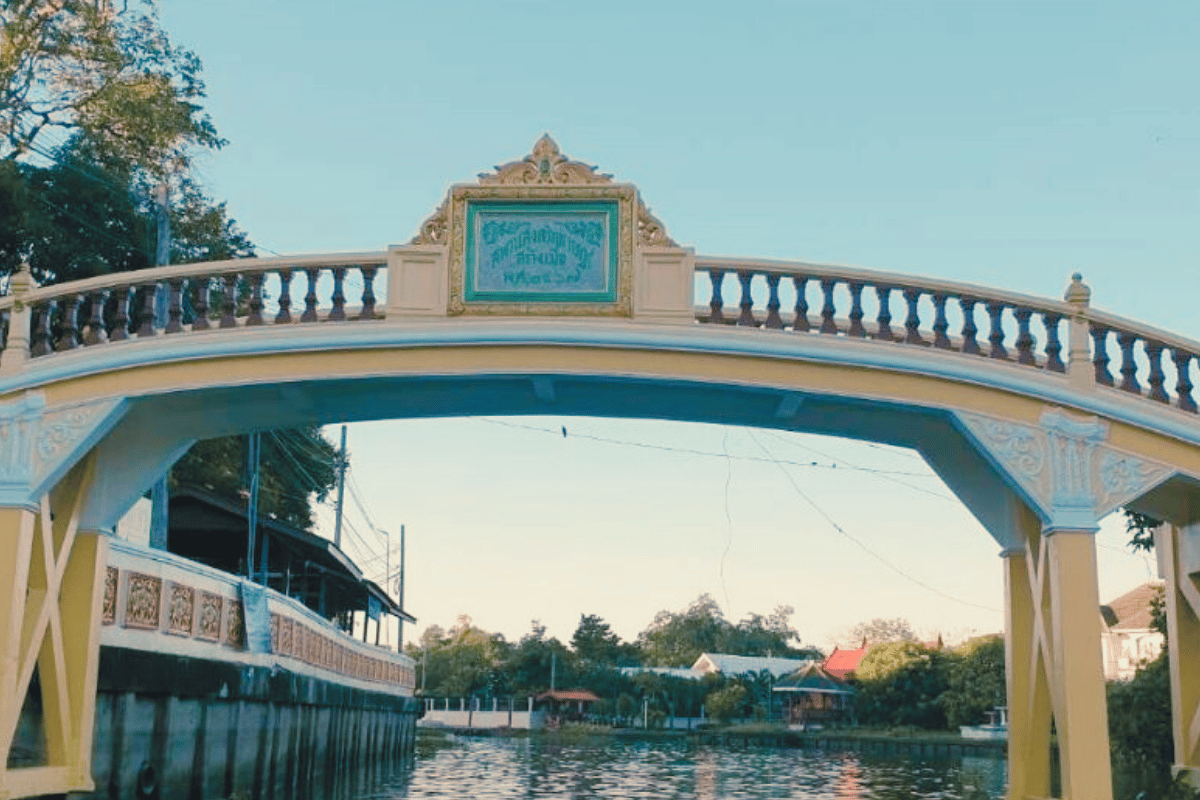
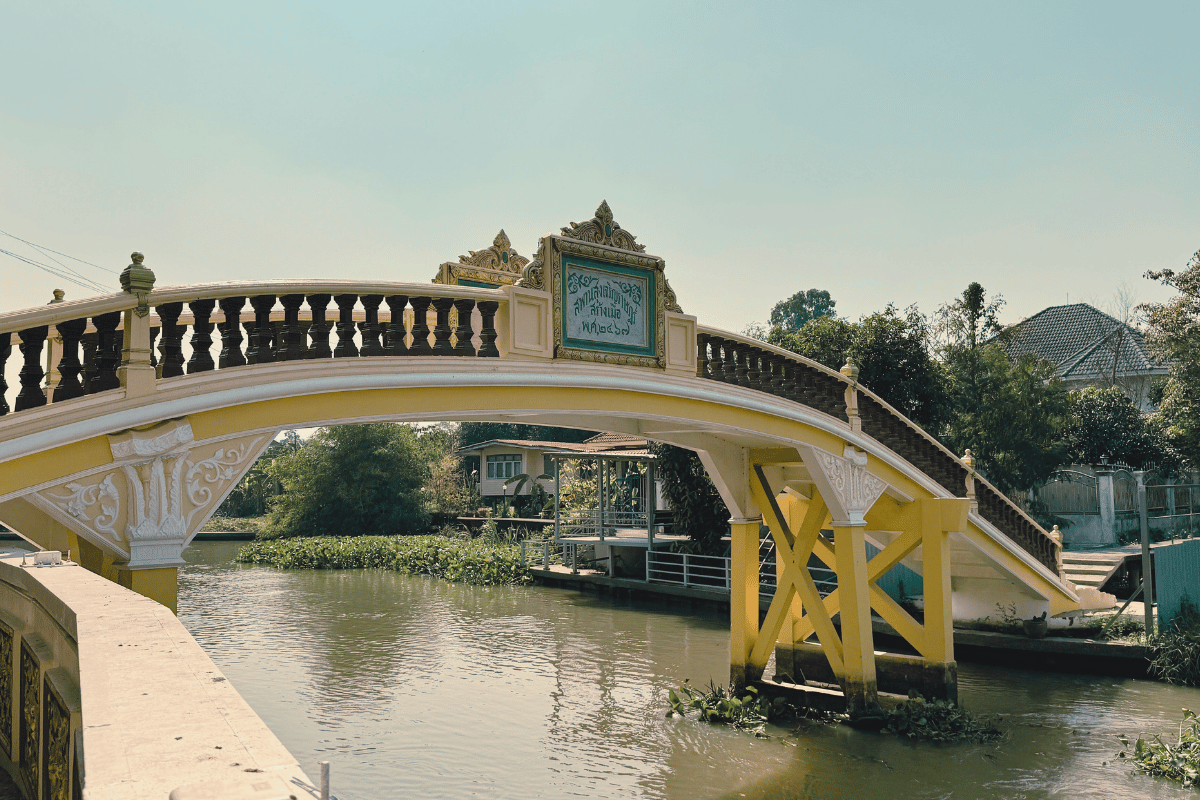
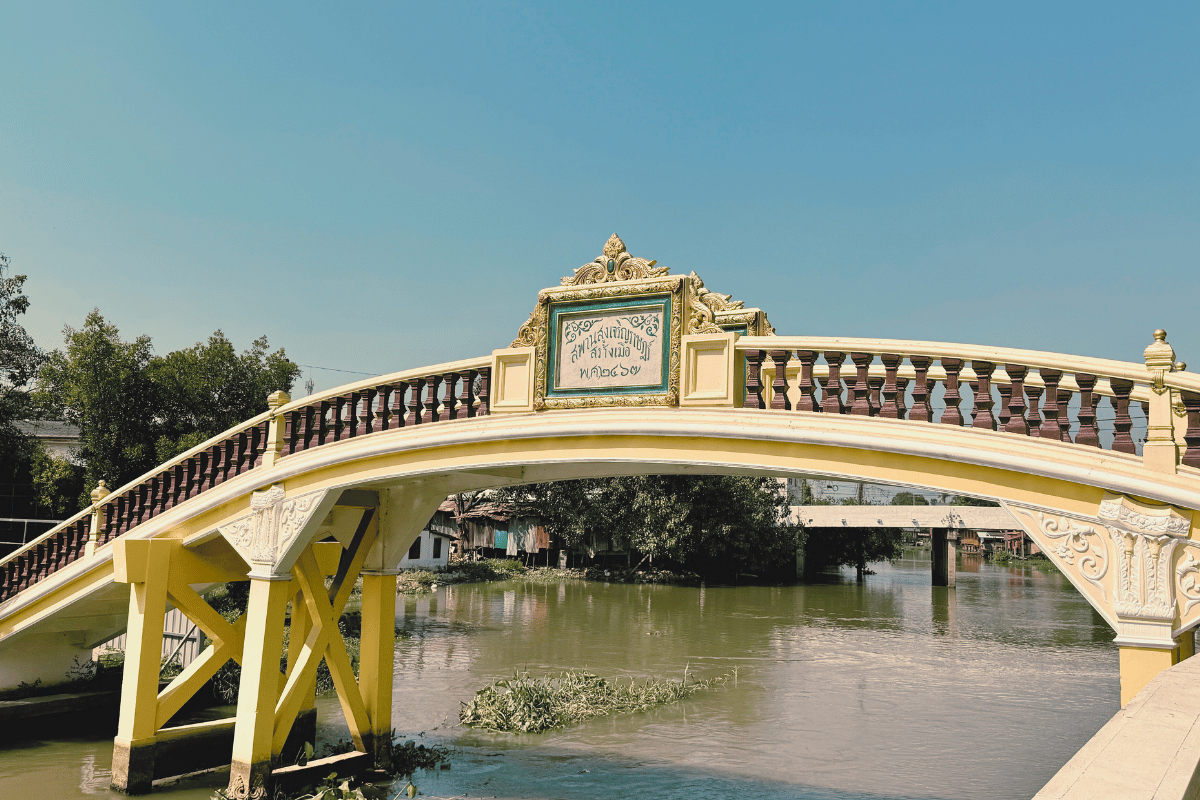
Later, when the temple was built nearby, it was named “Wat Saphan Sung” to honor the bridge that had long represented the spirit of the village.
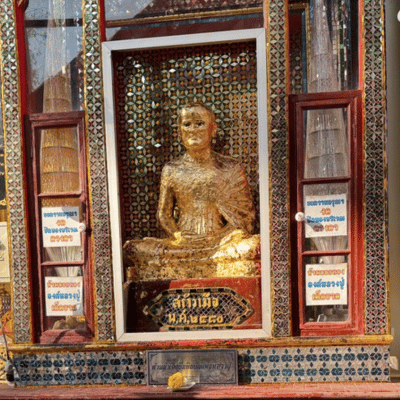
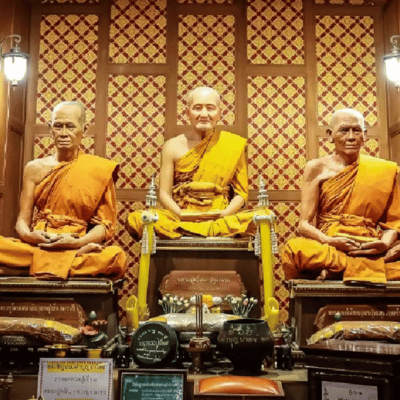
The pavilion housing the statue of Luang Pu Eiam Pathomanam ...
Read More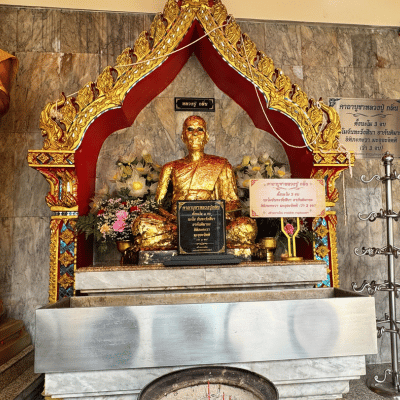
The statue of Luang Pu Klin, Phra Khru Sophon Satsanakit, th...
Read More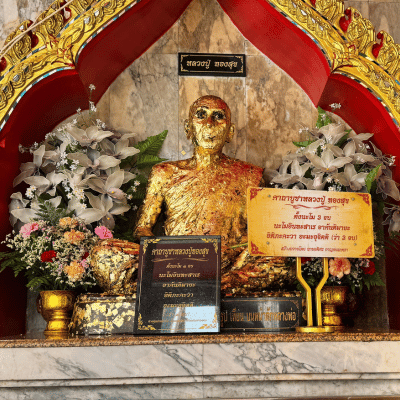
The statue of Phra Khru Nonthakit Sophon (Thongsuk Inthasaro...
Read More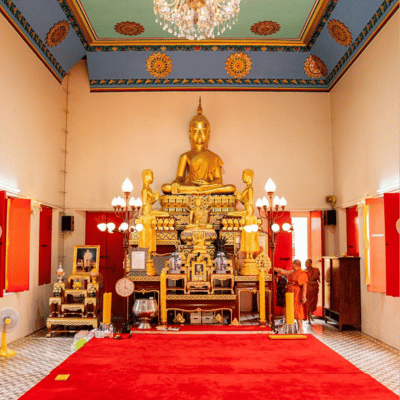
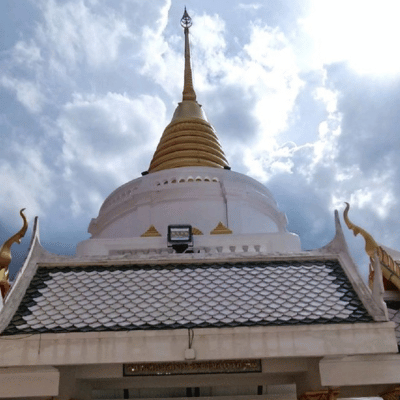
The stupa houses the Buddha’s relics, revered as a sacred sy...
Read More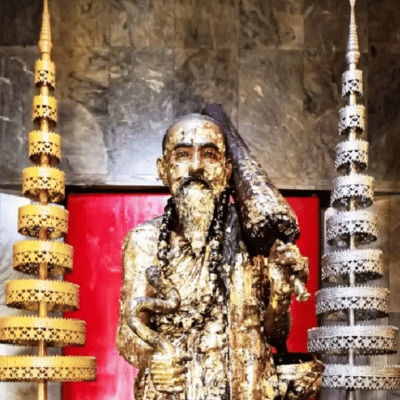
This pavilion commemorates Luang Pu Eiam’s meditative journe...
Read More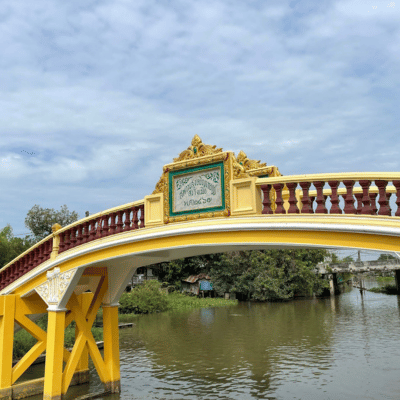
The old wooden bridge behind the temple crosses Khlong Phra ...
Read More